Healthcare practices today face a critical decision: stick with traditional paper records or transition to digital systems like EMR and EHR. With increasing compliance requirements, rising storage costs, and the push toward efficiency, choosing the right system is more important than ever in 2026.
Each option—paper records, EMR (Electronic Medical Records), and EHR (Electronic Health Records)—has its own advantages and limitations. Understanding these differences will help you make the best decision for your practice.
Understanding Paper Records
Paper records have been the foundation of healthcare documentation for decades. Many practices still rely on them, especially smaller clinics or those nearing retirement.
Advantages of Paper Records
- Low initial setup cost
- No technical training required
- Simple and familiar workflow
Limitations of Paper Records
- Prone to loss, theft, or damage
- Slow retrieval times
- Requires large physical storage space
- Difficult to share with other providers
In fact, physical storage is becoming a major burden. Clinics often sacrifice valuable space just to store inactive charts, which increases operational costs and inefficiency. ()
For practices struggling with storage, services like
secure medical record storage
can help free up space while maintaining compliance.
What Is an EMR?
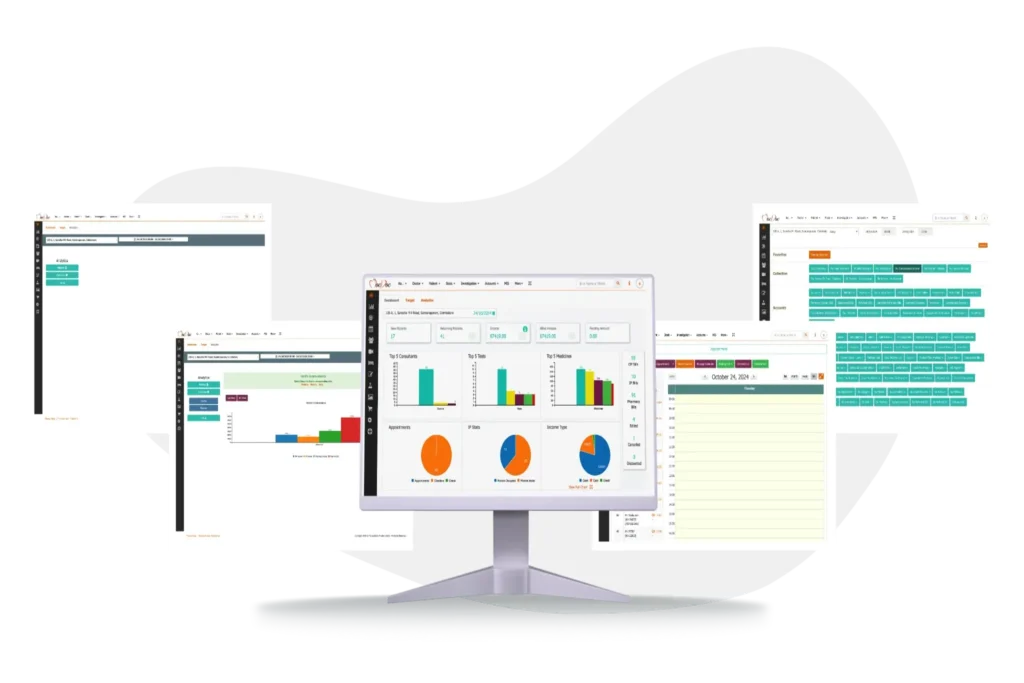
Electronic Medical Records (EMR) are digital versions of paper charts used within a single practice. They improve internal workflows but are not designed for widespread data sharing.
Benefits of EMR
- Faster access to patient data
- Improved documentation accuracy
- Reduced paperwork
- Streamlined internal operations
Limitations of EMR
- Limited interoperability
- Data sharing restrictions
- Setup and training costs
EMRs are ideal for practices that want to digitize operations without fully integrating into a larger healthcare network.
What Is an EHR?
Electronic Health Records (EHR) go beyond EMRs by allowing data sharing across multiple providers, labs, and healthcare systems.
Benefits of EHR
- Real-time data sharing
- Better coordination of care
- Improved patient outcomes
- Supports telehealth and remote care
Limitations of EHR
- Higher implementation costs
- Complex system integration
- Requires strong cybersecurity measures
EHR systems are becoming the industry standard as healthcare moves toward interconnected, patient-centered care.
Key Differences: EMR vs EHR vs Paper
| Feature | Paper Records | EMR | EHR |
|---|---|---|---|
| Accessibility | Low | Medium | High |
| Data Sharing | None | Limited | Extensive |
| Storage | Physical | Digital | Cloud/Digital |
| Efficiency | Low | High | Very High |
| Compliance | Difficult | Moderate | Easier |
Compliance and Risk Considerations
Compliance is one of the biggest reasons practices are moving away from paper records. Healthcare providers must ensure patient data is secure, accessible, and properly managed.
Poor record management can lead to:
- Legal penalties
- Data breaches
- Loss of patient trust
Digital systems improve compliance through:
- Access controls
- Audit trails
- Secure backups
To understand compliance in detail, read:
HIPAA-compliant medical record storage guide
The Cost Factor: Short-Term vs Long-Term
At first glance, paper records seem cost-effective. However, hidden costs quickly add up:
- Storage space
- Staff time
- Filing errors
- Retrieval delays
Digital systems require upfront investment but significantly reduce long-term operational costs.
Many practices are now choosing a hybrid approach—keeping older records stored securely while transitioning new records to digital systems.
Transitioning from Paper to Digital
Switching from paper to EMR or EHR can feel overwhelming, but it doesn’t have to be.
Instead of scanning everything at once, many providers use a scan-on-demand approach, which allows gradual digitization and reduces costs.
Learn more about this process here:
scanning medical records securely
This method ensures:
- Faster transition
- Lower upfront cost
- Minimal disruption to operations
When Should You Upgrade?
You should consider moving away from paper records if:
- Your practice is growing
- You need faster access to patient data
- Compliance risks are increasing
- You plan to collaborate with other providers
For retiring physicians or those closing a practice, proper record handling becomes even more critical.
medical records checklist for retiring physicians
Why Many Practices Choose Hybrid Solutions in 2026
In reality, most practices don’t switch overnight. Instead, they adopt a hybrid model:
- Active records → digital (EMR/EHR)
- Archived records → secure physical storage
This approach balances:
- Cost efficiency
- Compliance
- Accessibility
It also ensures that older records remain available for legal and patient access requirements.
The Role of Professional Record Management
Managing medical records—whether paper or digital—is complex and time-consuming. That’s why many healthcare providers outsource this responsibility.
According to industry practices, professional custodians ensure:
- Secure storage and handling
- Compliance with HIPAA and state laws
- Quick access to patient records
- Proper record retention and destruction
You can explore this in detail here:
why healthcare organizations trust Clary Document Management
Why Choose Clary Document Management?
As healthcare continues shifting toward digital systems, the challenge isn’t just choosing between EMR, EHR, or paper—it’s managing them effectively.
Clary Document Management provides end-to-end solutions for healthcare practices, including:
- Secure off-site storage for paper records
- Scan-on-demand digitization
- EMR integration support
- HIPAA-compliant record management
- Custodial services for retiring or closing practices
Clary helps bridge the gap between traditional and digital systems—making your transition smooth, secure, and cost-effective.
Final Thoughts
There is no one-size-fits-all answer when choosing between EMR, EHR, and paper records. The best solution depends on your practice size, goals, and long-term strategy.
However, one thing is clear:
Paper-only systems are becoming outdated.
In 2026, the most successful practices are those that:
- Embrace digital transformation
- Maintain compliance
- Use hybrid solutions where needed
Whether you’re transitioning to EMR, implementing EHR, or managing legacy paper files, partnering with a trusted provider like Clary Document Management ensures your records are secure, compliant, and future-ready.